
August 12, 2026 | Reading time: 4 minutes
Steel sounds out, is on the move, and good for surprises – as it has been for centuries. Let’s take a look at musical milestones, automotive premieres, and a steel monument from Upper Austria. And respond to the question as to why some types of steel don't stick to a magnet.

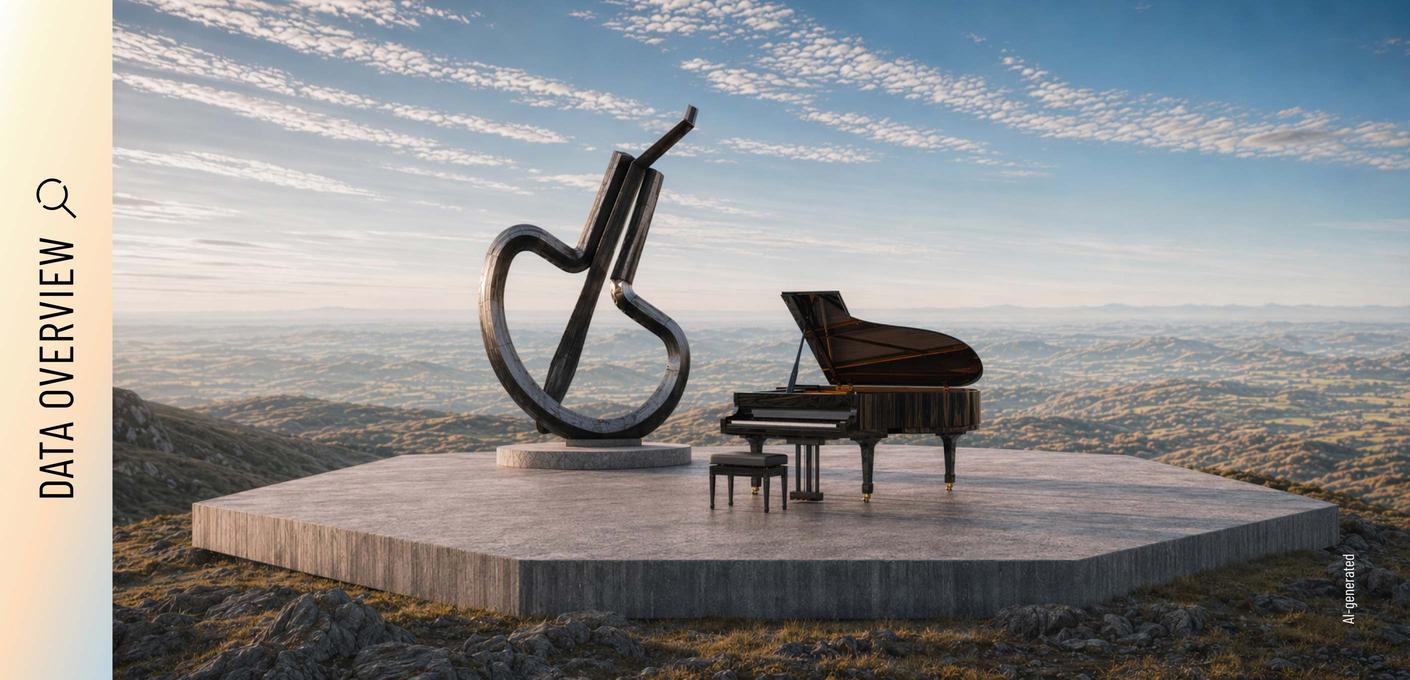
That is the world's largest jaw harp. The steel monument stands in Molln, Upper Austria, which is regarded as the cradle of jaw harp production. This giant specimen weighs in at 1,748 kilograms.
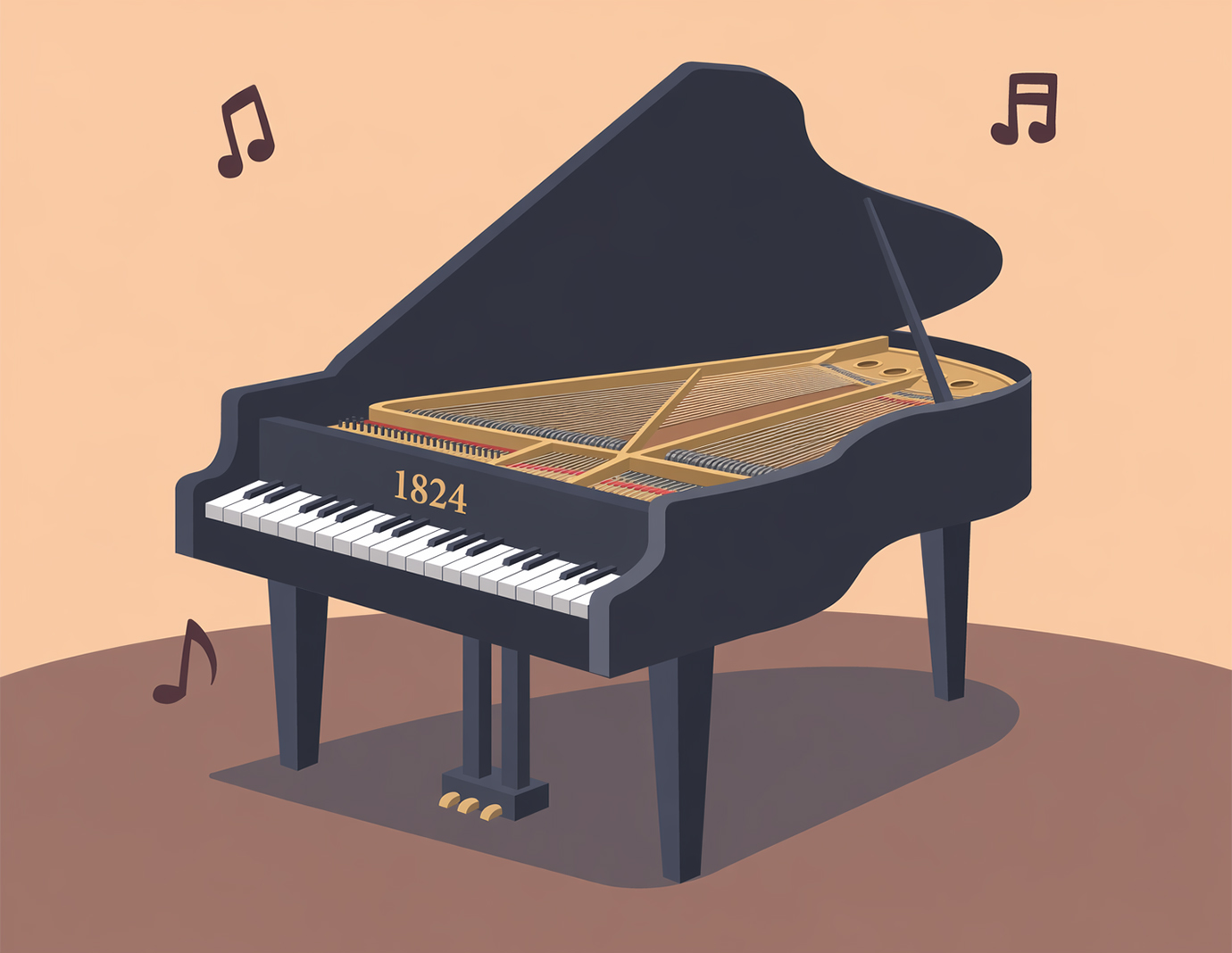
Piano strings made of cast steel debuted in that year. At the time, the trend was toward achieving greater volume and a wider acoustic range. Moreover, cast steel promised far greater resilience. As a result, the previous gut, brass, and iron strings fell silent and disappeared.

Dodge introduced the first car made entirely of steel. Up to that time, a hybrid wood-steel construction method had been the norm. In Germany, the Opel Olympia (1935) was the first German mass-produced car to feature a self-supporting all-steel body.
Did you know that ...
… not all types of steel are magnetic?
In austenitic stainless steels, a high nickel content causes the atoms inside to form what is known as an austenitic lattice. In this arrangement, the magnetic forces of the individual atoms are distributed in such a way that they cancel each other out. As a result, viewed from the outside, the steel does not have any magnetic properties. These steels find use, for example, in the manufacture of stainless steel sinks and cutlery, while the chemical and pharmaceutical industries opt for this type of stainless steel in their equipment manufacturing.

Discover similar posts

Data Overview: Decarbonization of the Steel Industry
Steel is one of the most recycled materials in the world—and continues to set records as a building material. A look at some surprising statistics. And at a medieval hardening method that still fascinates scientists today.
Read post
Data Overview: Steel and Infrastructure
Steel supports our roads, railways, and wind turbines—and packs a surprising amount of weight. Here are some figures that set the standard. And a look at a microstructure that looks like snow.
Read postThe address of this article has been copied to your clipboard.