
Two AI geniuses monitoring steel quality
![[Translate to Englisch:]](/fileadmin/stil-magazine/_processed_/6/7/csm_Header_KI_in_der_Qualitaetskontrolle_2820x1360_b07ce41a2b.webp "[Translate to Englisch:]")
March 18, 2026 | Reading time: 9 minutes
Whether surface defects or metallurgical properties: The Salzgitter Group puts artificial intelligence (AI) to work in order to inspect steel even more accurately – resulting in less waste and even higher quality levels in steel production.
The rolling mill at the Mannesmannröhren-Werk in Zeithain roars and hums. Here, at the Salzgitter Group's subsidiary located in Saxony, the systems are processing steel ingots into hollows. The long pipe blanks undergo further processing into steel pipes and cylinders at a later stage. Every twenty seconds, a hollow clatters from the furnace across the roller table towards the cooling bed. The specialists on site randomly inspect the hollows for surface defects before they are further processed into precision tubes at other Group plants.
"When hot forming hollows, it is totally normal for some parts to exhibit defects – which is why we check them thoroughly. But even the best experts are not able to detect all the faults – especially due to the sheer quantity of hollows produced," as Fabian Spiegel, Data Scientist at Salzgitter Mannesmann Forschung GmbH states. The finished pipes later undergo an ultrasonic scan, which ensures the quality and safety of the parts. "Nevertheless, we want to prevent defective hollows from having to undergo the cost-intensive downstream, further processing," says Spiegel. Consequently, the researcher and his team were on the lookout for a solution to sort out defective hollows directly and in a targeted manner.
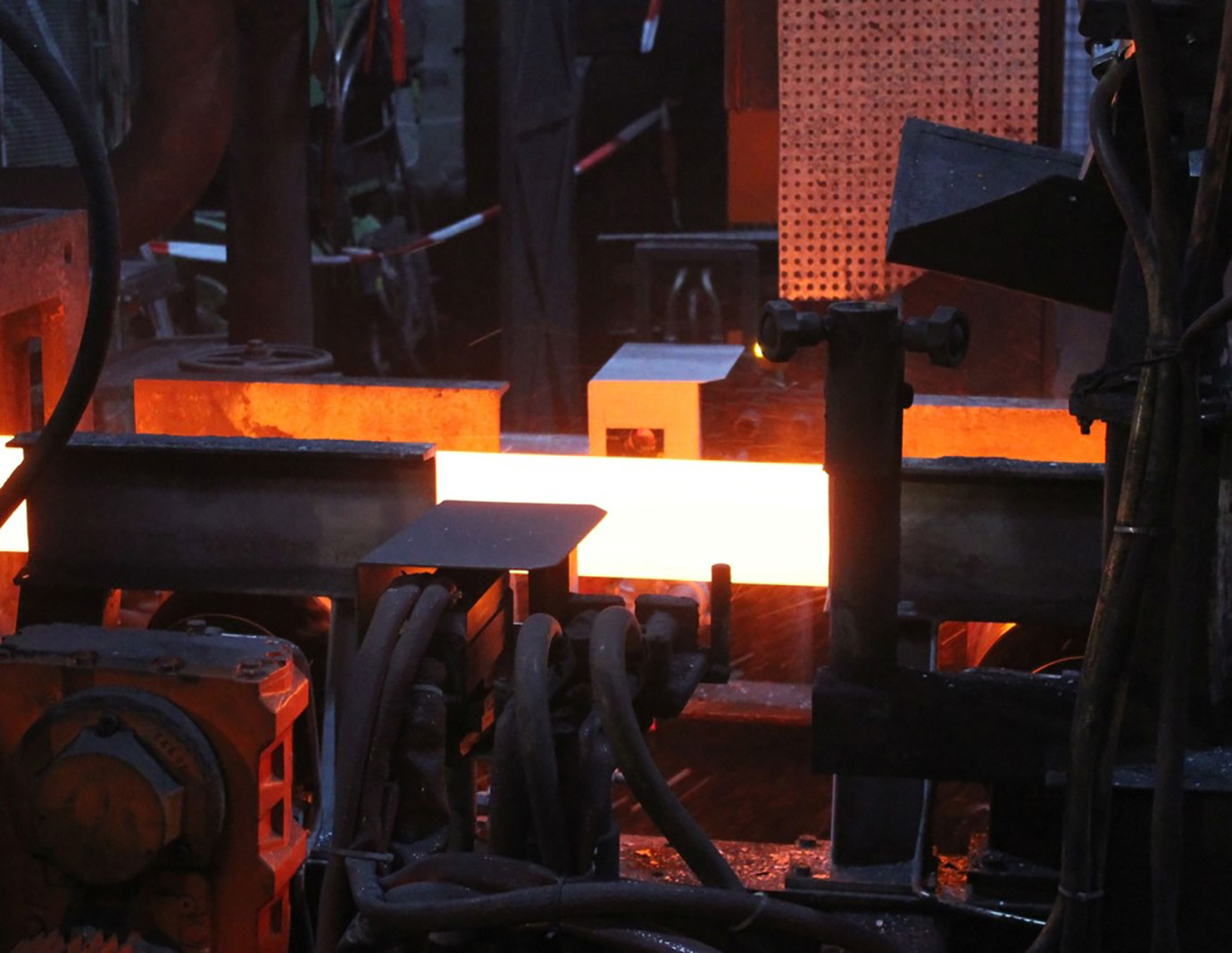
AI-based quality inspection
A camera system based on artificial intelligence (AI) ushered in the breakthrough. The AI is embedded in a neural network – an algorithm that is particularly expedient at recognizing patterns in disordered data sets. "We have trained the network by way of typical fault patterns of hollows, which the system now recognizes automatically," as Spiegel relates. One camera scans the left side and a second the right side of each individual hollow. The lenses capture the entire surface at seven images per second. The neural network searches the photos for typical defects such as shells or caliber cuts. If the AI detects a material defect on a hollow, it transmits the defect image to a screen on the machine.
"Initially, the AI sometimes incorrectly classified water droplets on the hollows as errors. That's why it's important that the specialist staff at the pipe factory check every message from the system before rejecting a hollow," says Spiegel. "However, we were able to adapt the neural network without much effort by training it with the help of additional images."

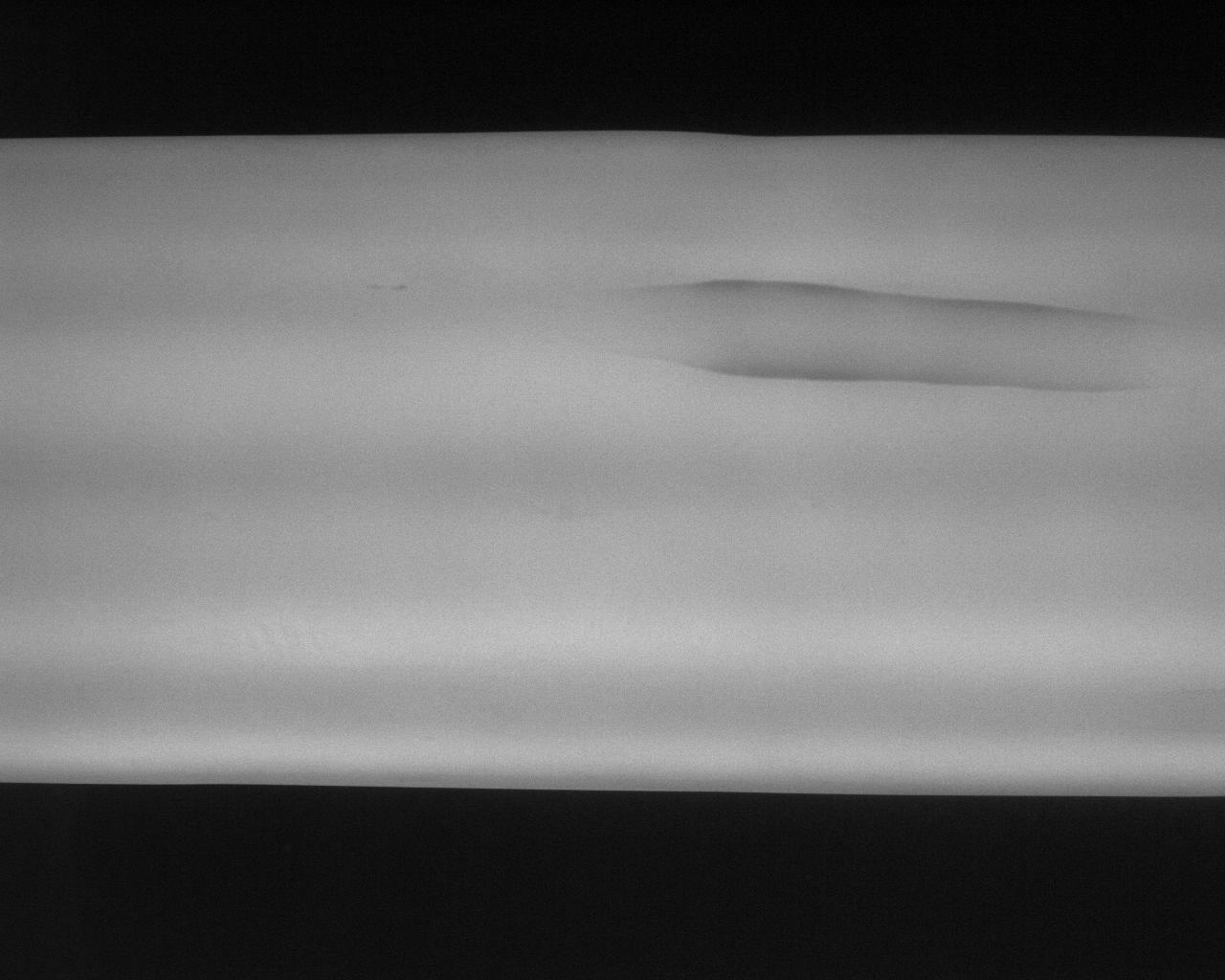
Errors are detected at an early juncture in the supply chain
And successfully: With the help of the AI system, the Zeithain plant has automated a time-consuming and monotonous task, significantly relieved the workload on specialist staff and got a handle on pre-material-related rejects. "Defective material can now be sorted out at a much earlier juncture in the supply chain," as Spiegel relates. In addition, the application provides the quality management team on site with continuous statistical data that helps to identify common causes of errors and adapt production steps in a targeted manner. They form the foundation for data mining, which the Zeithain team uses to derive improvement measures together with the supplier HKM.
”Gefüge-Genie” analyzes components in just a few seconds
But the Salzgitter Group is not only using AI to analyze the surfaces of hollows. The Group also relies on artificial intelligence when it comes to checking the components of the steel. Microstructure analysis plays a central role here – i.e. the evaluation of the microstructure, which is decisive for the material properties. At the end of the rolling process, when the steel is already available as a coiled coil, quality management specialists take samples and examine them microscopically in the laboratory. Traditionally, experienced metallographers have been analyzing these microstructures by hand: They determine the proportions of ferrite, pearlite and other phase components as well as any possible precipitates and document all the details extensively. These microstructure analyses serve as the foundation for approvals, further developments or process optimizations.
This is where the "Gefüge-Genie" comes into play, a special AI application developed by Lars Schemmann, a microstructure analysis expert at Salzgitter Mannesmann Forschung GmbH, together with Fabian Spiegel. The system uses digital microscope images of the samples, which are loaded into the inspection software. A neural network that has been trained to precisely recognize and classify phase components and structures also features as the core element here. For example, the Gefüge-Genie analyzes how high the pearlite or ferrite content is in the material or evaluates special precipitates such as titanium carbonitrides.
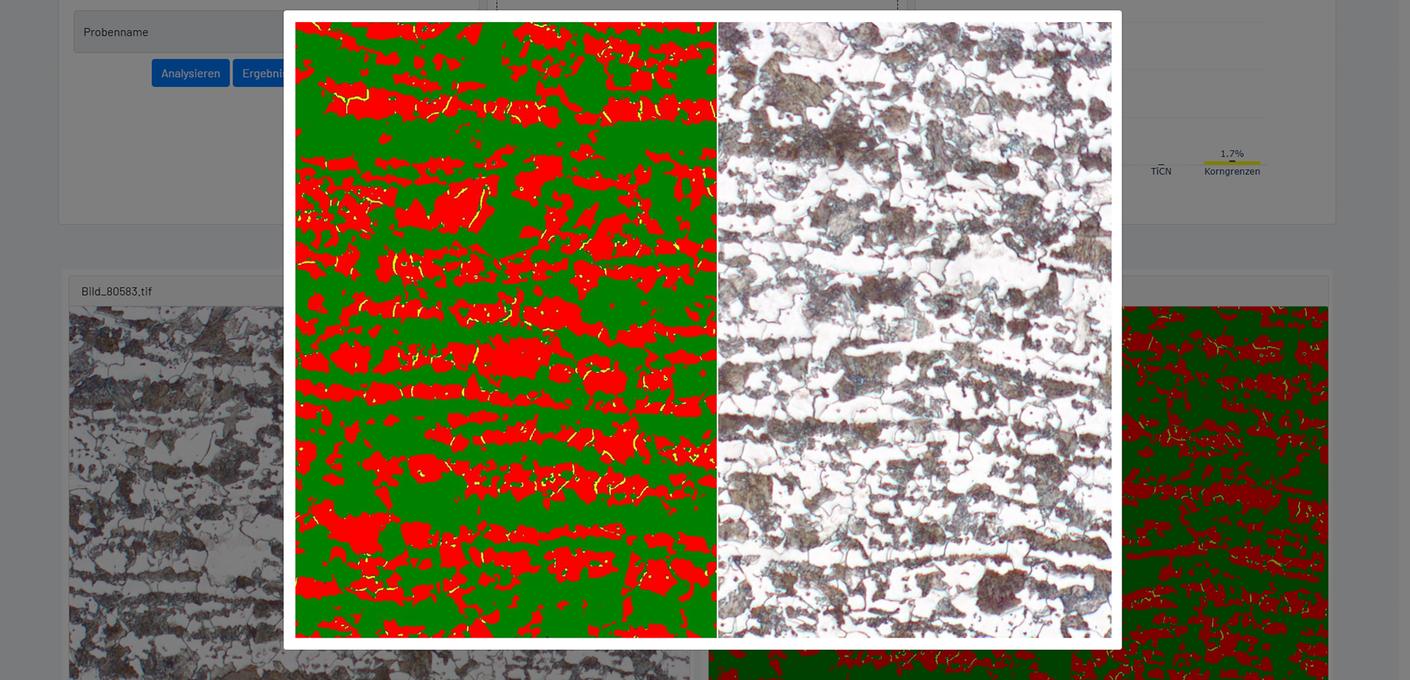

Tracking down the microstructure of green steel
"As opposed to traditional manual analyses, our Gefüge-Genie only needs a few seconds per image and immediately delivers statistically reliable, objective and dependable results," Schemmann emphasizes. The microstructure analyses serve as the foundation for approvals, further developments or process optimizations.
As part of the SALCOS® transformation program, in which Salzgitter is transitioning to low-CO2 steel production, the Gefüge-Genie is becoming increasingly important. New production routes and changed input materials, such as a higher scrap content, have a direct impact on the microstructure of the steel. Thanks to the Gefüge-Genie, the experts are able to quickly record changes in the microstructure and use the data to precisely adapt processes. "Data and AI are playing an increasingly significant role in steel production," as Schemmann states. "They not only optimize proven processes, but are also a key to future-proof developments such as the production of low-CO2 steel grades."
Discover similar posts
Data Overview: Steel in the Construction Sector
Steel is one of the most recycled materials in the world—and continues to set records as a building material. A look at some surprising statistics. And at a medieval hardening method that still fascinates scientists today.
Read post
Major renovations: Steel countering Germany's standstill
A total of 500 billion euros for a stable future: How we are leveraging the government special fund to upgrade our infrastructure and operate in a more climate-friendly way. And what role steel is playing in all this.
Read postThe address of this article has been copied to your clipboard.