
Energy Sovereignty: A Strategic Necessity and a Sophisticated Challenge for Industry
August 19, 2026 | Reading time: 14 minutes
What is the cost of energy independence for the steel industry? An analysis by Alfred Hoffmann, Head of Energy Strategy at Salzgitter AG.
Key points at a glance
- Energy sovereignty means: Making the energy supply more independent, more resilient, and less vulnerable to geopolitical influences.
- This is crucial for the steel industry because it must ensure supply security, climate neutrality, and economic viability all at the same time.
- With the transition from a coal-based blast furnace process to hydrogen-based direct reduction, Salzgitter AG’s energy mix is undergoing far-reaching, fundamental change.
- Renewable hydrogen is not yet available at competitive prices; imported hydrogen is also still significantly more expensive than hydrogen produced locally.
- Consequently, Salzgitter AG is focusing on diversification and flexibility.

Independence and the ability to take action: We have a clear understanding of what sovereignty means at the government level. But how does that actually work when it comes to energy? Considering that energy policy has rarely been as challenging as it is today. These policies will determine how independently Europe is capable of acting – and whether energy-intensive industries will be able to continue producing competitively in Germany in the future. Consequently, for the steel industry, energy independence is not just an abstract buzzword, but a matter of survival: Where will electricity and hydrogen come from in the future, at what costs – and with what level of supply security?
The term "energy sovereignty" refers to a country's ability to organize its energy supply independently and to minimize the risk of geopolitically motivated interference as much as possible. After all, in the age of geoeconomics, in which other nations use their resources and raw materials as tools of power, unilateral dependence leaves us vulnerable to blackmail. Russia's war of aggression against Ukraine, geopolitical tensions in the Middle East, and historical events such as the oil crises of the 1970s demonstrate just how vulnerable energy-dependent economies can be.
The consequences: Sky-high energy prices, declining growth rates, and even social unrest. The vital question, therefore, is not whether Europe needs greater energy independence. The crucial question is how we can organize energy supplies in a manner that preserves both industrial value creation and climate protection.
That is why it is imperative and the right course of action that we continue to pursue the energy transition in Europe with determination: The share of renewable energy in the German electricity sector reached 55.1 percent in 2025. The expansion of renewable energy has proven to be the most effective means of ensuring Germany's energy independence. We should do everything we can to further increase the share of renewable energy in order to further strengthen our energy independence and reduce our reliance on fossil fuels.
“Energy sovereignty refers to a country’s ability to organize its energy supply as independently and autonomously as possible, thereby reducing its vulnerability to political blackmail.” "Germany finds itself in the field of tension between the conflicting priorities of sovereignty, sustainability, and economic efficiency."
Alfred Hoffmann, Leiter Energiestrategie der Salzgitter AG
Energy independence comes at a price
Electricity, hydrogen, and natural gas are structurally more expensive in Europe than in other regions of the world. In addition, some of the infrastructure needed for transportation and distribution still needs to be developed and put in place.
SALCOS® is fundamentally changing our energy mix – we are phasing out coal and will need large amounts of electricity and hydrogen in the future as we chart our course towards climate neutrality.
In the political debates, we are addressing – though in some cases not yet sufficiently – a structural problem that is emerging as a result of this transition to new energy sources in the steel industry. Not only was it inexpensive to transport the coking coal we traditionally relied on, but the respective prices were also comparable worldwide – including among our international competitors. This does not apply to natural gas and, in particular, to hydrogen: Especially the latter, must first be liquefied or synthesized into ammonia and then transported involving a good deal of input and at great expense. The result: Importing hydrogen – as well as natural gas – by sea involves paying two to three times the price at the factory gate. Both energy sources have a very low so-called volumetric energy density.
Diversification is our response to this challenge. In order to bolster our energy security, we are relying on three energy sources: We are sourcing green electricity by way of a new 380-kV power connection and have already purchased large volumes of renewable electricity through direct contracts concluded with solar and wind farm developers (so-called Power Purchase Agreements (PPAs); we are using natural gas as a bridging technology for the current and next decade, while producing small amounts of hydrogen on-site ourselves, and will be procuring larger quantities of hydrogen by way of the German hydrogen backbone network. Three energy sources also mean three independent supply routes. Hydrogen produced in Europe is a key component in this respect – because there is no Strait of Hormuz in Germany or Europe. We have just signed a supply contract with EWE for green hydrogen produced by an electrolysis plant in Emden. In pursuing this course, we are actively supporting the ramp-up of hydrogen in Germany.
Flexibility lowers the costs
We strive to balance sovereignty with economic efficiency: We are using our own land for wind and solar power plants. We are reducing our consumption through energy-efficiency measures. Above all, however, we want to become more flexible. In 2025, there were more hours with zero or negative prices in the German electricity market than ever before. The price difference between the most expensive and least expensive 6,000-hour models is over 40 percent. By shifting production to off-peak hours – shutting down electric arc furnaces during periods of high prices, using battery storage to shave off peaks, and scheduling maintenance during expensive hours – all these measures deliver genuine cost advantages without external help. And we are working on all of this.
Still, however, this will not suffice. If we want to keep steel production in Germany – not least for reasons of sovereignty – then companies like Salzgitter AG need political support. This leads to three policy priorities:
1 We must continue to expand renewable energy
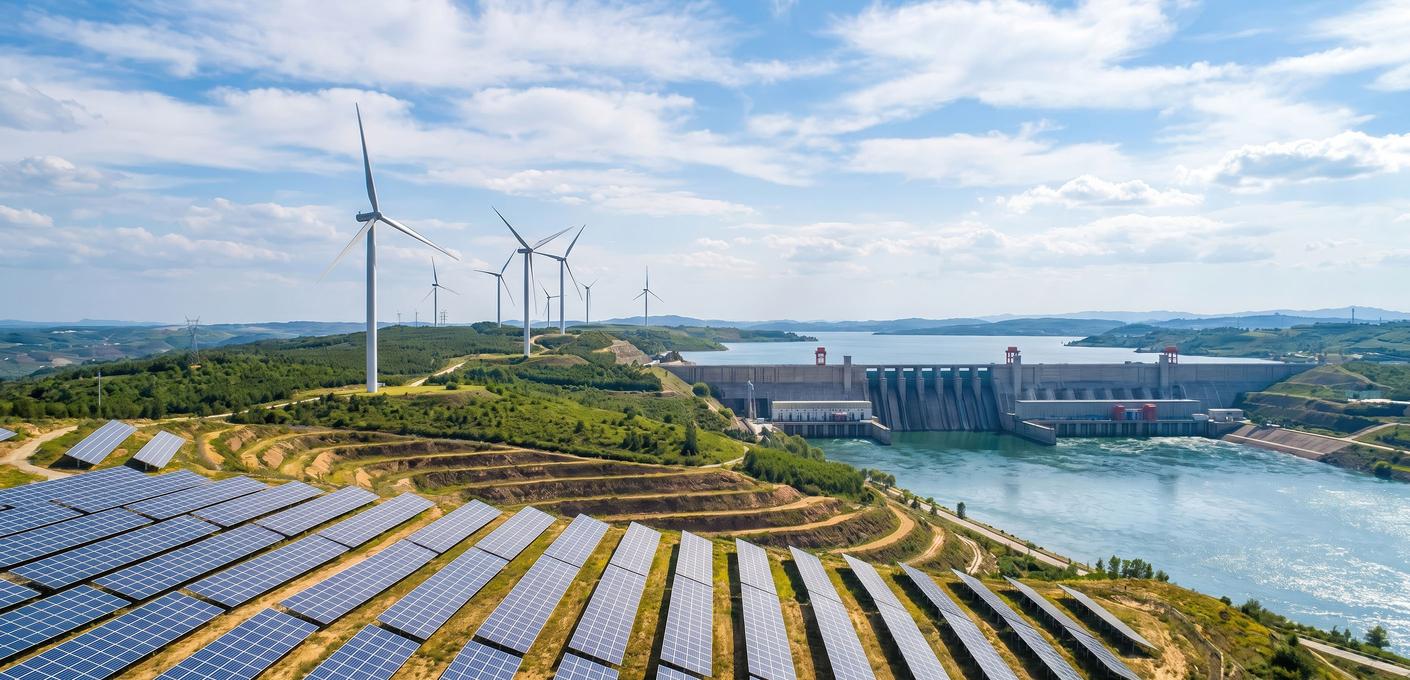
Solar, wind, and hydroelectric power are the only energy sources available to us in Germany and Europe in relevant quantities – and the more we succeed in scaling them up, the more cost-effective they become. Keywords: Innovation, economies of scale, and volume advantages. Not only do they make us more independent, but they also contribute to sustainability. The share of energy imports in primary energy supply will drop from the current 70% to 27% by 2050, according to projections by the energy consulting firm DNV 2025. Carsten Schneider, Federal Minister for the Environment and Climate Protection, therefore referred to renewables in the Bundestag in early 2026 – and not without reason – as “security energy” that protects us “from blackmail by other countries.”
2 We should make the most of Europe's diversity
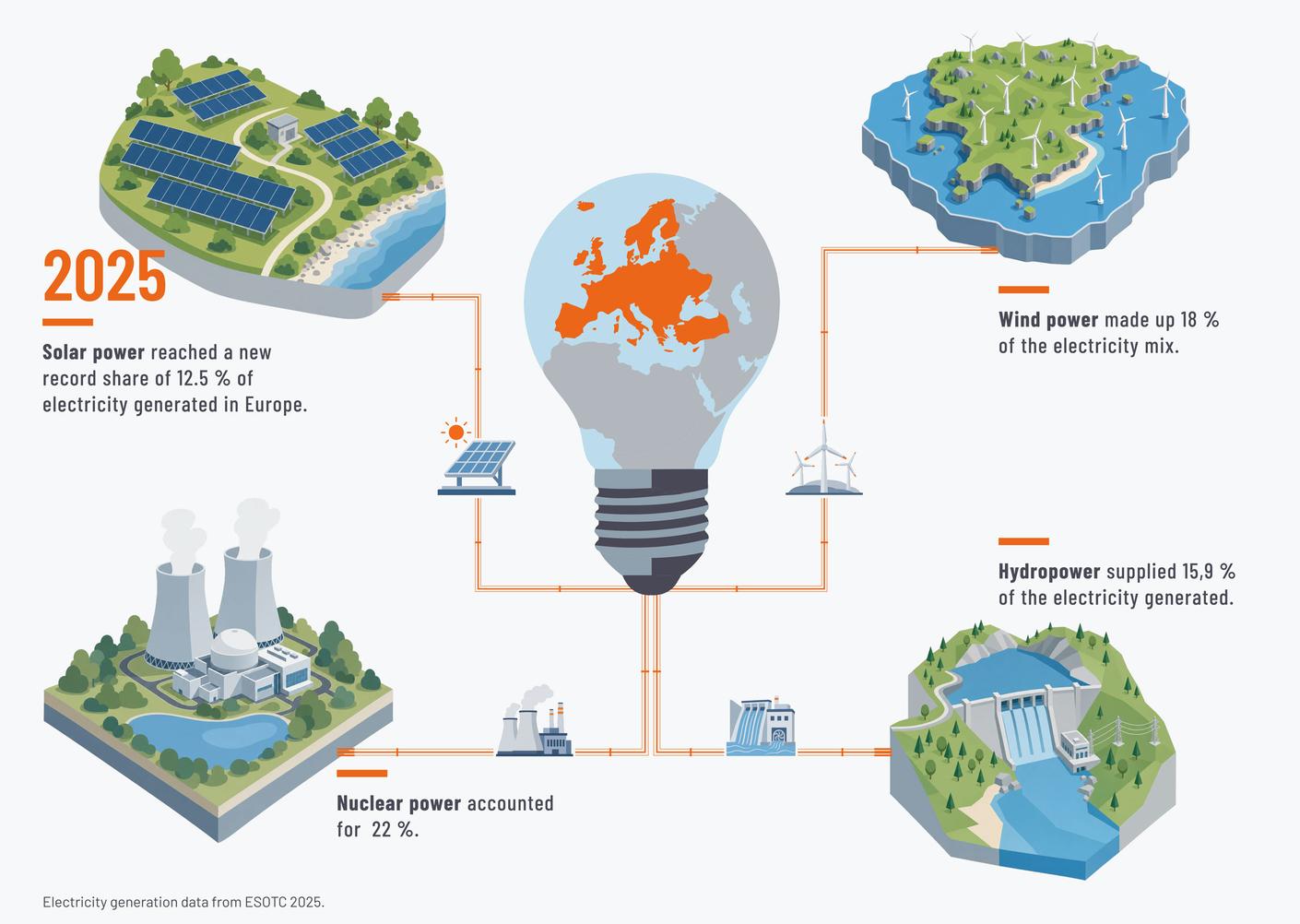
For some time now, calls for nuclear energy have been growing louder, in Germany as well. In my opinion, this is a superfluous discussion. I have nothing against the technology, but it would be far too expensive to build new nuclear power plants here, as costs in other European countries make clear. According to calculations conducted by the Fraunhofer ISE Institute their electricity would be much more expensive for us than energy from renewable sources. However, … we are still thinking far too much in terms of our national borders. In this respect, Europe's diversity in the energy sector works to our advantage: Renewable energy and long-term storage in Germany, nuclear power in France, hydropower in Scandinavia. This Europe-wide diversity is a strength that can make us more resilient as a continent. This has been a proven strength in the operation of the power transmission grid for decades.
3 Our approach to infrastructure needs to be put to the test
Despite economic hardships, we in Germany still enjoy high levels of comfort when it comes to energy: We are building infrastructure for three parallel energy sources. Or we lay underground cables even though above-ground connections would be significantly cheaper. We strive to provide the highest level of supply reliability for every customer, even though not everyone may actually need this. Unlike us, countries such as Denmark accept visible offshore wind turbines near the coast. Their advantage: they benefit from lower energy prices. In future discussions revolving around our energy prices, we should make such trade-offs more transparent and emphasize clearly that convenience always comes at a price.
The litmus test: How important is the steel industry to us?
Supply chain disruptions caused by geopolitical crises have clearly shown that Europe needs a resilient and independent steel production sector. At the same time, one thing remains clear: Climate protection is not a secondary goal, but rather the starting point for transformation – and continues to enjoy broad societal consensus. The question, therefore, is not whether we will decarbonize industry, but how we will collectively achieve climate neutrality, energy security, and competitive capabilities. If the European steel industry is to remain competitive, it will need predictability in regulatory planning and competitive energy prices. Over the long term, renewable hydrogen must be economically available and viable. Fundamentally questioning the transformation goals at this point amounts to undermining both climate protection and energy independence – and putting companies that are already investing in the transformation at a disadvantage. The consequences go beyond the energy sector: without sovereign energy, there can be no sovereign value chain - and thus no industrial base for self-determination.
Discover similar posts
WIND POWER: NATIONWIDE JOB ENGINE FROM NORTH TO SOUTH
Study shows that offshore wind power is a key economic factor for the entire country.
Read postThe address of this article has been copied to your clipboard.