What is EU emissions trading?
The EU Emissions Trading System (EU ETS) is the central instrument for reducing CO2 emissions in energy-intensive industries. The EU ETS 1 has been in force since 2005 – and it was, and still is the world's largest greenhouse gas emissions trading system. The underlying principle: The higher the emissions, the more certificates will have to be purchased – and the more expensive things will get. The law currently stipulates that the free allocation of certificates will be significantly reduced from 2026 and will expire entirely in 2034. According to current legislation, the auctioning of new certificates is to end after the year 2039. It is expected that industry will then be able to offset its residual emissions by way of negative emissions in order to achieve the net-zero climate target.
How does EU emissions trading work?
EU emissions trading follows a clearly defined mechanism: The quantity of available certificates will decrease in a binding manner – as from 2039, no new certificates will be available without corresponding negative emissions. Experts speak of "cap and trade": An upper limit (cap) is set for the amount of CO2 that may be emitted in a given period. The cap limits the available quantity of emission allowances. The quantity of certificates is decreasing every year, thereby making the purchase of pollution rights more and more expensive. If companies do not use up their quota because they have invested in climate protection measures, they can sell their surplus certificates to companies that need more than they have purchased at auctions or have been allocated free of charge. "Trade" means precisely this trade.
How much does a certificate cost?
The current price stands at around 70 euros per tonne. Within the context of the European Emission Trading System (EU-ETS 1) this applies to the trading period from 2021 to 2030: A total of 57% of the certificates are auctioned and must be purchased, while the remaining 43% are allocated free of charge. The specific proportion of free allocation and certificates subject to mandatory purchase for individual companies varies quite considerably depending on the decarbonization options available in the respective sectors.
Who has to buy CO₂ certificates?
The EU ETS regulation covers energy-intensive sectors such as the steel and chemical industries or refineries, as well as paper and cement plants. All EU companies that generate electricity or heat from coal, natural gas or oil are also involved in emissions trading, provided their plants have a heat output exceeding 20 megawatts.
Why is the steel industry impacted by ETS?
The steel industry is the largest emitter of greenhouse gases in the industrial sector in Germany – accounting for between 1.6 and 2.2 tons of CO2 being emitted per ton of steel. If Germany wants to achieve its climate targets, it is therefore crucial that the steel industry reduces its emissions. In view of this situation, Salzgitter AG has launched the transformation program SALCOS®. The goal: To respond with a clearly defined, tailored cleantech
What role does SALCOS® play within the context of the EU ETS?
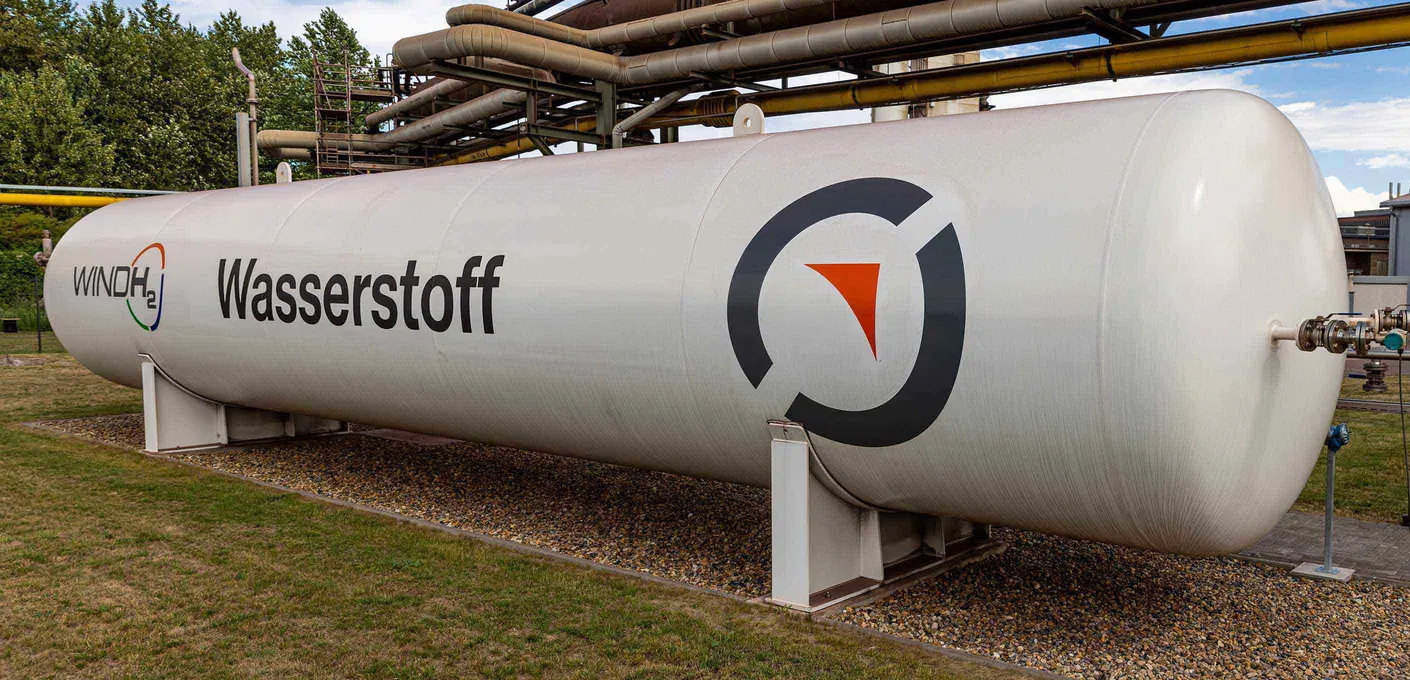
The SALCOS® – Salzgitter Low CO₂ Steelmaking – transformation program relies on hydrogen-based direct reduction (DRI), and, when fully implemented, is capable of reducing CO₂ emissions in steel production by up to 95%. This fits in with the ETS logic: Every tonne of CO2 that is permanently avoided reduces the need for certificates, which are becoming increasingly expensive. Salzgitter AG therefore expects sustainability to pay off. The current ETS rules, however, must continue to be adhered to.
Will ETS make all steel products more expensive?
No, in most customer industries the impact is minor: The use of CO₂-reduced steel increases the production costs of a car, for example, by less than one percent. At the same time, however, ETS will increase the CO₂ costs for conventionally produced steel because the free allocations will decrease annually over the longer term. It is therefore only a matter of time before low-CO₂ steel becomes the more favorable choice in terms of overall costs.