
Steel at home in residential construction
March 03, 2026 | Reading time: 8 minutes
Fast, sustainable, and cost-effective: from modular developments combatting the housing shortage to affordable single-family homes for every stage of life – groundbreaking projects showcase the future of building with steel.
Suspended meters above the ground, steel modules swing on a crane through the gray Berlin morning sky. A quick snap into place, then fitters bolt the new segment to the rest of the building. More than 3,000 modules have already been stacked up to form a new residential quarter in Berlin-Lichtenberg. The state-owned housing association is creating around 1,500 new apartments there, opting for modular construction methods based on a steel frame structure. “Only by leaning further into modular construction methods will we achieve our objective of building 200,000 apartments by 2030,” emphasized former Mayor Franziska Giffey at the groundbreaking ceremony for the project.
Charting new courses to tackle housing shortages
There is a shortfall of around 780,000 apartments in Germany, a problem that is particularly prevalent in cities and in the lower price segment. Traditional multi-story apartment construction can barely keep up with this demand: construction times are becoming increasingly long, materials and labor more expensive, and every project ties up significant capital over years. Consequently, modular construction is becoming increasingly attractive to developers and policymakers alike as a comparatively inexpensive, fast, and sustainable alternative to traditional construction. Load-bearing steel frames form the skeleton for entire room modules, which are fully prefabricated in the factory and need only be moved into place and bolted together on the construction site. This significantly reduces construction time, keeps costs more predictable, and ultimately results in a fully-fledged residential building that can be converted, repurposed, or even dismantled at a later stage if necessary. At the same time, series production with steel facilitates quality assurance: weather-critical work steps are shifted away from the construction site to a production environment that is not impacted by adverse weather conditions and can therefore be reliably planned.
The federal government is also taking advantage of these benefits in several current construction projects. In Königswinter, North Rhine-Westphalia, for example, the Institute for Federal Real Estate (Bundesanstalt für Immobilienaufgaben, BImA) has commissioned the construction of two apartment buildings totaling 19 units, using a modular design. In Giessen, Hesse, three buildings with a total of 36 residential units are being constructed. Thanks to the high degree of prefabrication, the shell construction, extensions and finishing work will only take a few months – a major advantage when it comes to creating additional living space quickly.
The Green Steel Home: A concept that reimagines the single-family home
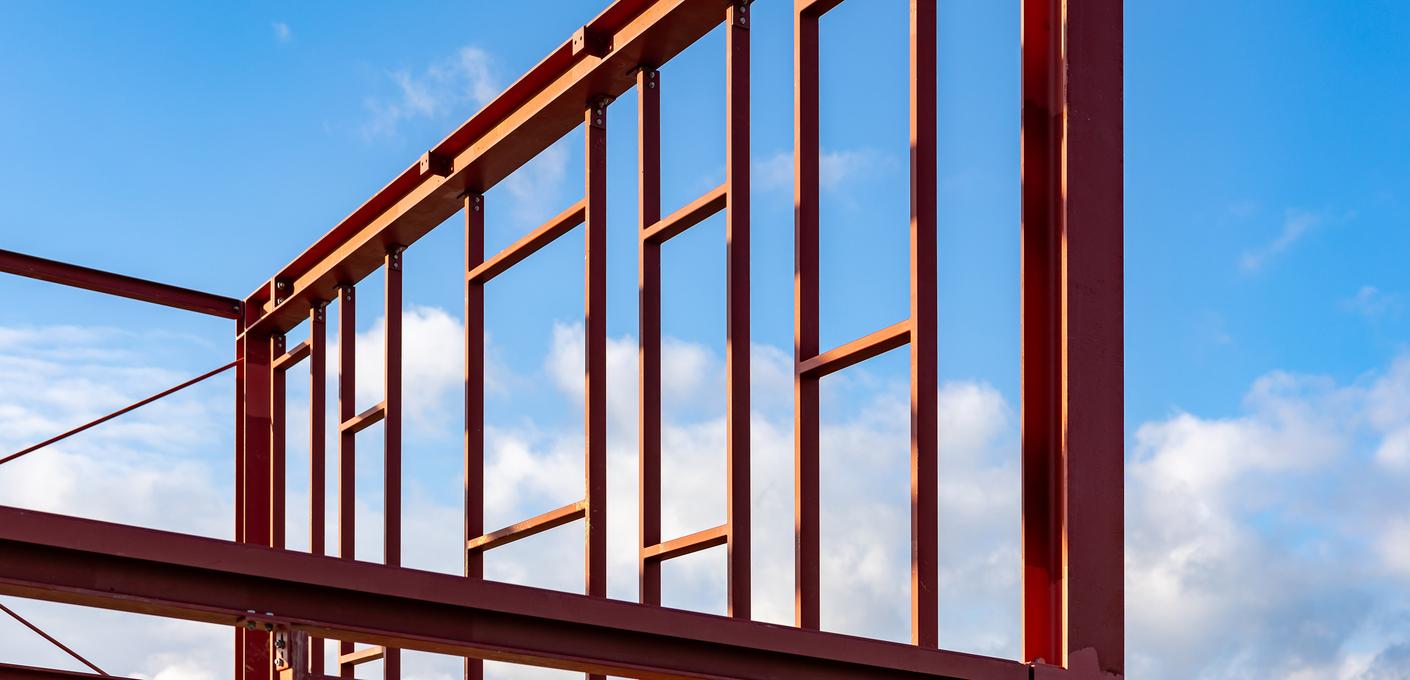
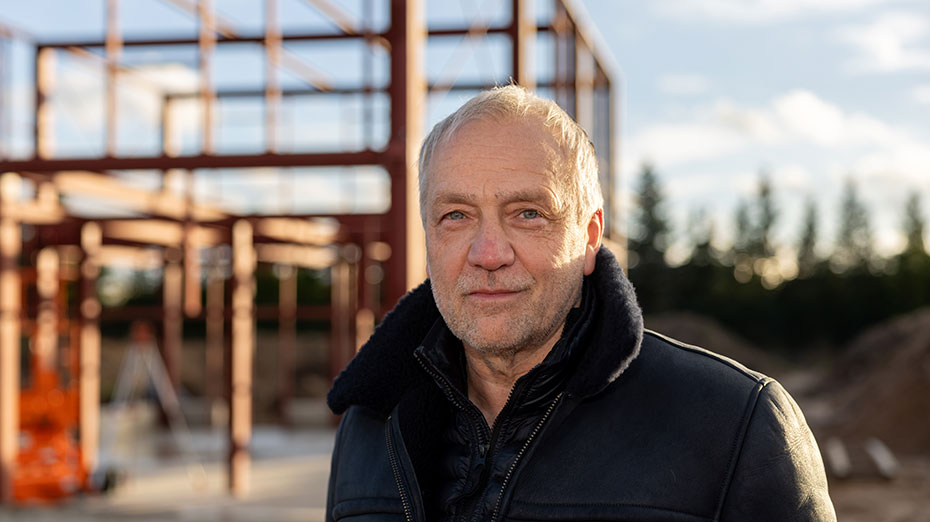
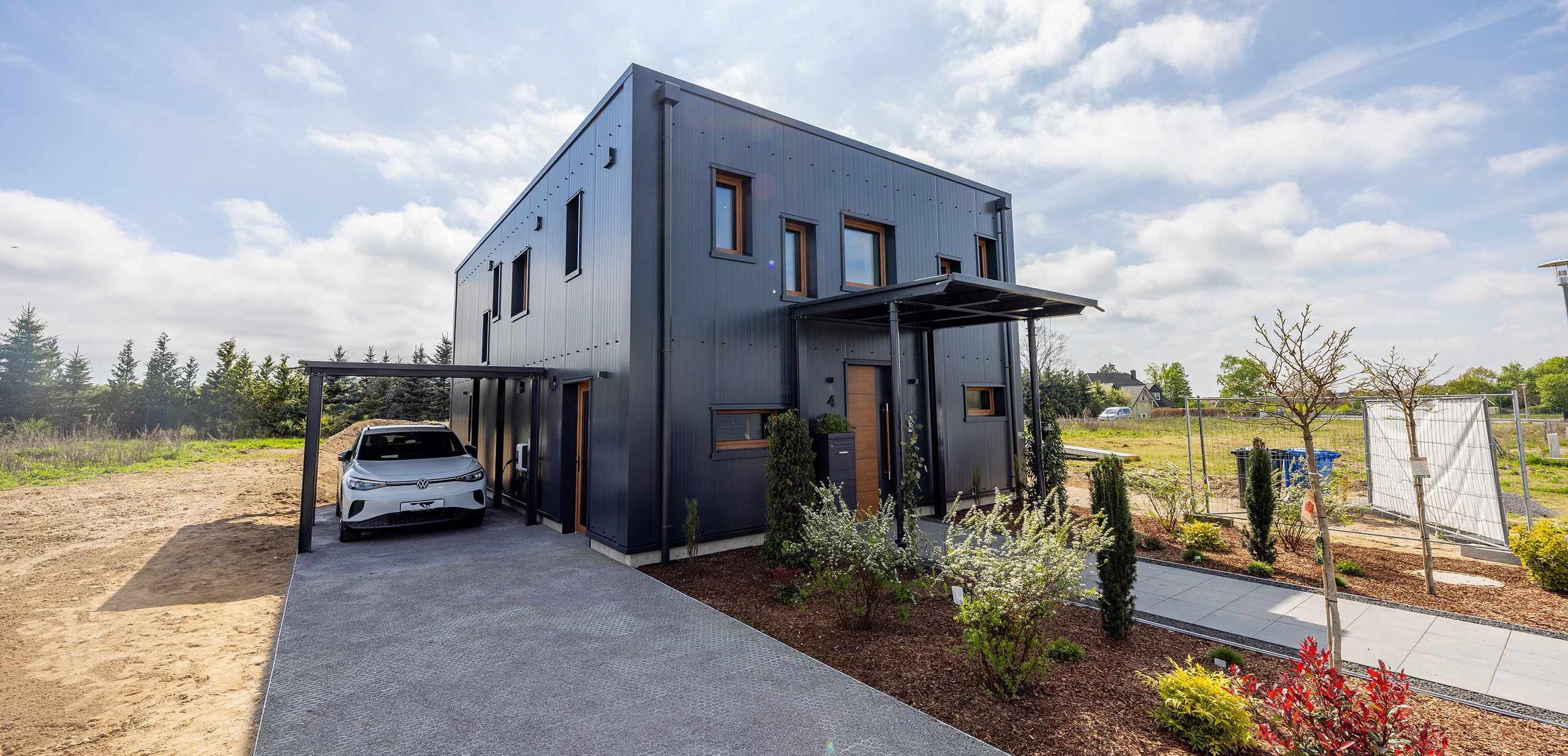
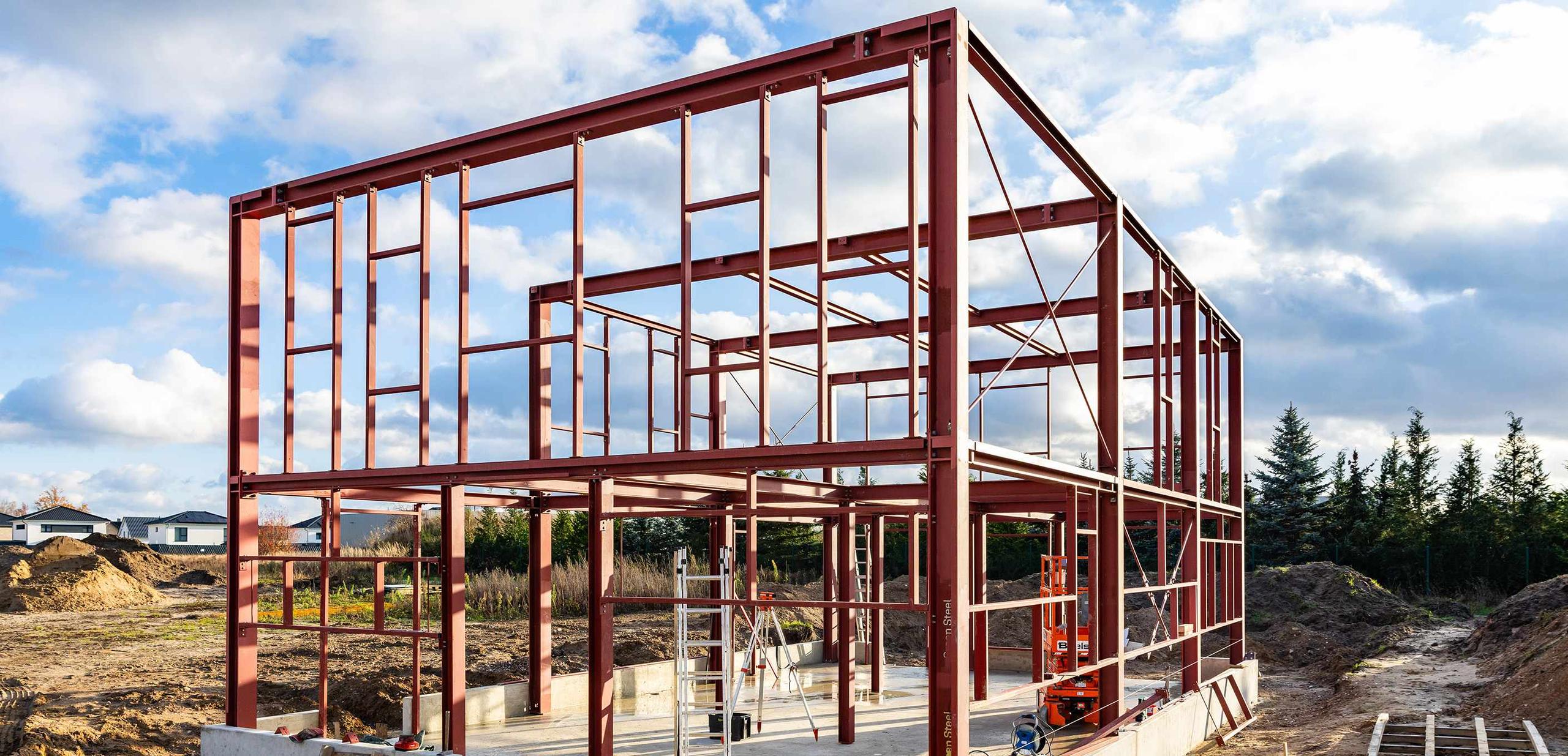
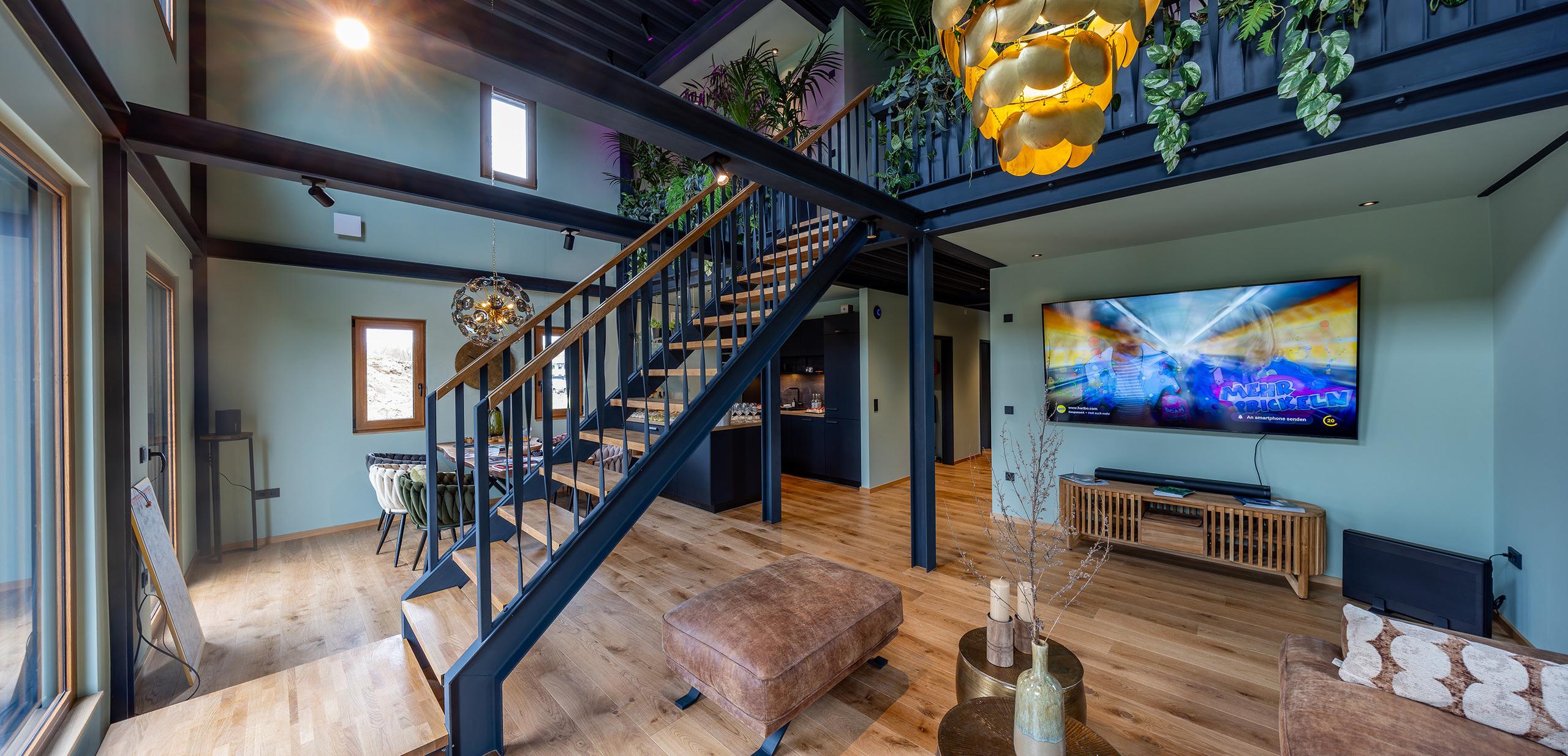
As opposed to the modular manufacture of entire room modules for multi-family housing and public projects, architect and entrepreneur Thorsten Rebbereh's Green Steel Home adopts a different approach: the Green Steel Home relies on a steel skeleton construction rather than prefabricated steel modules. The concept of this custom home is aimed at builders who appreciate attractive, modern architecture at an affordable price and, at the same time, are keen to benefit from short construction times. While modular construction aims to combat the housing shortage by producing buildings that can be quickly assembled in urban locations in large numbers, the Green Steel Home is revolutionizing home construction with a flexible, self-supporting steel skeleton structure — manufactured to precise specifications in the factory, assembled in just a few days, and up to 35 percent cheaper than conventional new buildings. A single-family home is usually ready to move into after no more than three months, and in some cases within as little as two months. “Given how convinced we are of the benefits of steel in commercial buildings, why is it that we don't also use this material in the construction of private homes?” asks Thorsten Rebbereh. After all, experts like him have long been aware that “the most cost-effective building envelope that can be constructed is one that is made of steel.”
CO₂-reduced steel for sustainable living
For the Green Steel Home, Rebbereh uses CO2-reduced SALCOS® Structural Steel from the Salzgitter Group's electric arc furnace route. Compared to conventionally produced gray steel from blast furnaces, emissions are reduced by more than half – from 688 to 299 kilograms of CO2 per tonne. At the same time, construction remains flexible, as Rebbereh explains: “Walls can be moved as needed, ceilings retrofitted. If ever the Green Steel Home is no longer needed, the structure can be easily converted, dismantled, or reassembled in another location. Thanks to the bolted steel skeleton construction and the use of trapezoidal sheets, it can also be dismantled and the components sorted by type. And if the parts then cannot be put to alternate use, the steel is simply returned to the cycle by way of recycling.”
Would you like to learn more about the Green Steel Home? Then take a look at our Success Stories.
Related topics
Steel bridges: faster construction, longer service life
Germany's bridges are dilapidated and run down, while renovation is stalling. But solutions are at hand: Find out how steel is combining speed with cost efficiency and stability in bridge construction.
Read post
Major renovations: Steel countering Germany's standstill
A total of 500 billion euros for a stable future: How we are leveraging the government special fund to upgrade our infrastructure and operate in a more climate-friendly way. And what role steel is playing in all this.
Read post
SALCOS® | Green steel of the Salzgitter Group
High-quality SALCOS® green steel: your companion in the transformation. Physically CO2-reduced. Transparently certified.
The address of this article has been copied to your clipboard.