
Built to last: Pioneering bridges made of steel
March 03, 2026 | Reading time: 1 minute
The oldest steel bridges in the world were built for horse-drawn carriages, yet they are so sturdy that they are still suitable for modern road and rail traffic.
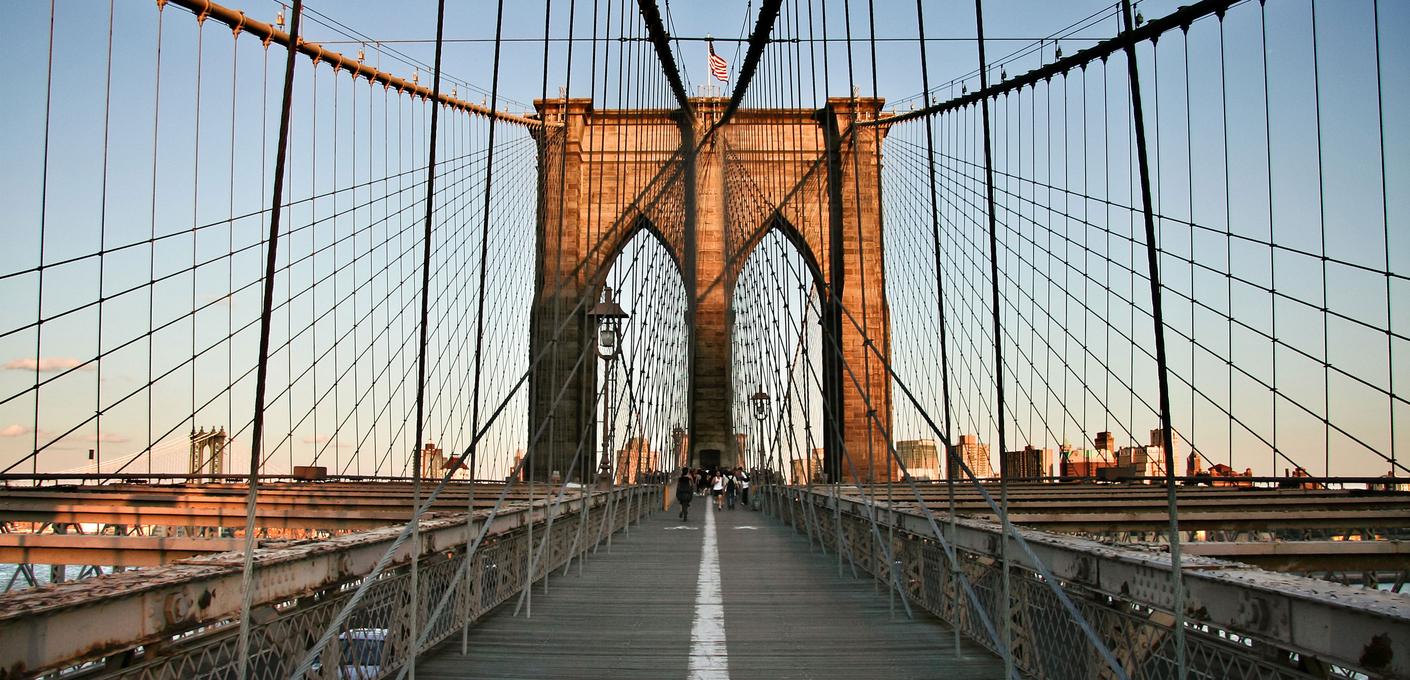
As far as bridges go, they are the teenagers of the family. Steel bridges only established themselves in the late 19th century. Accustomed to stone and wooden versions, people reacted with skepticism: it was in this spirit of skepticism that, in 1874, a circus elephant was first used to test the stability of the Eads Bridge in St. Louis. The endurance test over the East River in New York proved even more challenging. It was here that, in 1884, circus director P.T. Barnum marched across the new Brooklyn Bridge accompanied by 21 elephants.
Pioneers made of steel
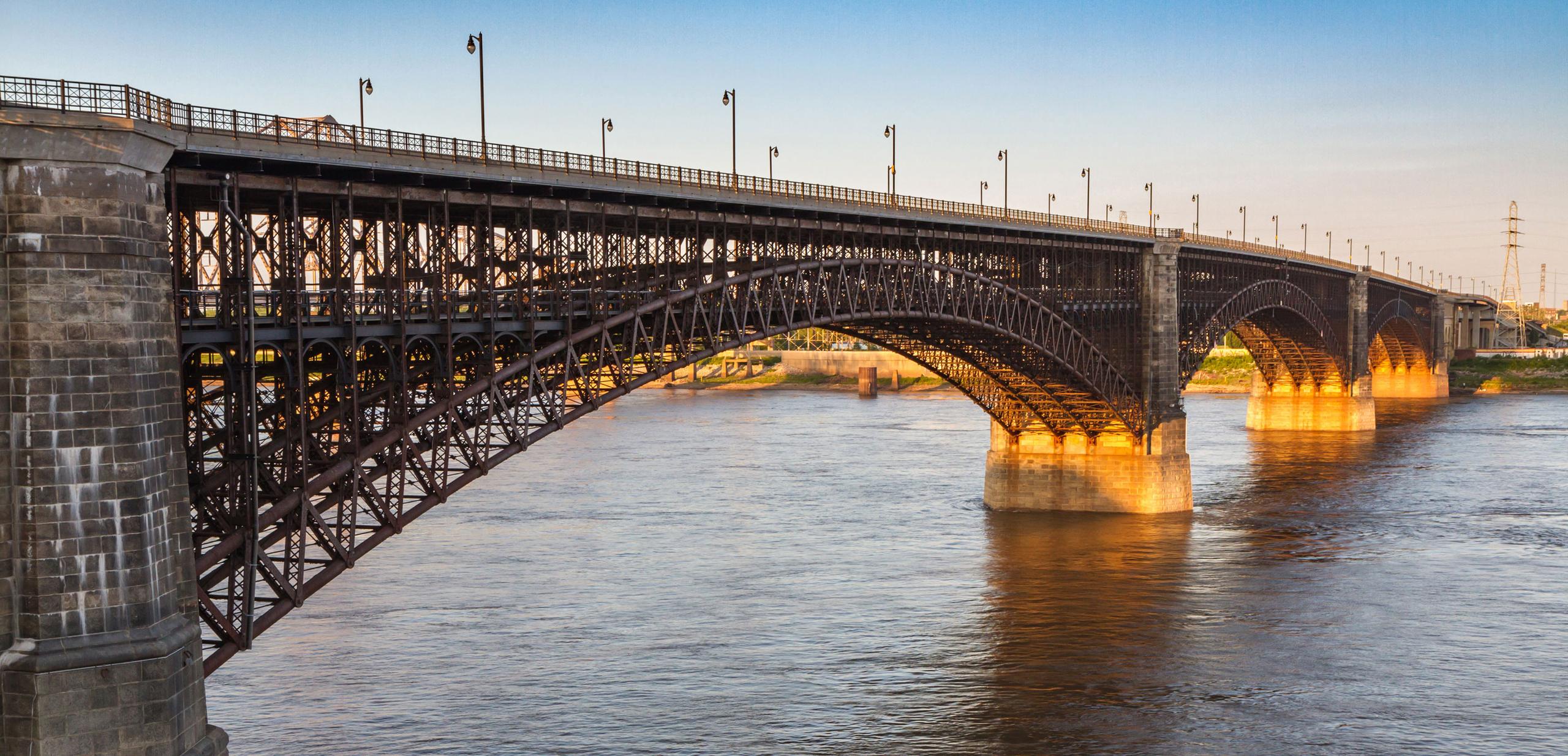
The Eads Bridge (1874) in St. Louis was the world's first large steel truss bridge and is the oldest crossing over the Mississippi River. The iconic 450-meter-long bridge saw steel become the standard material used in large-scale construction projects.
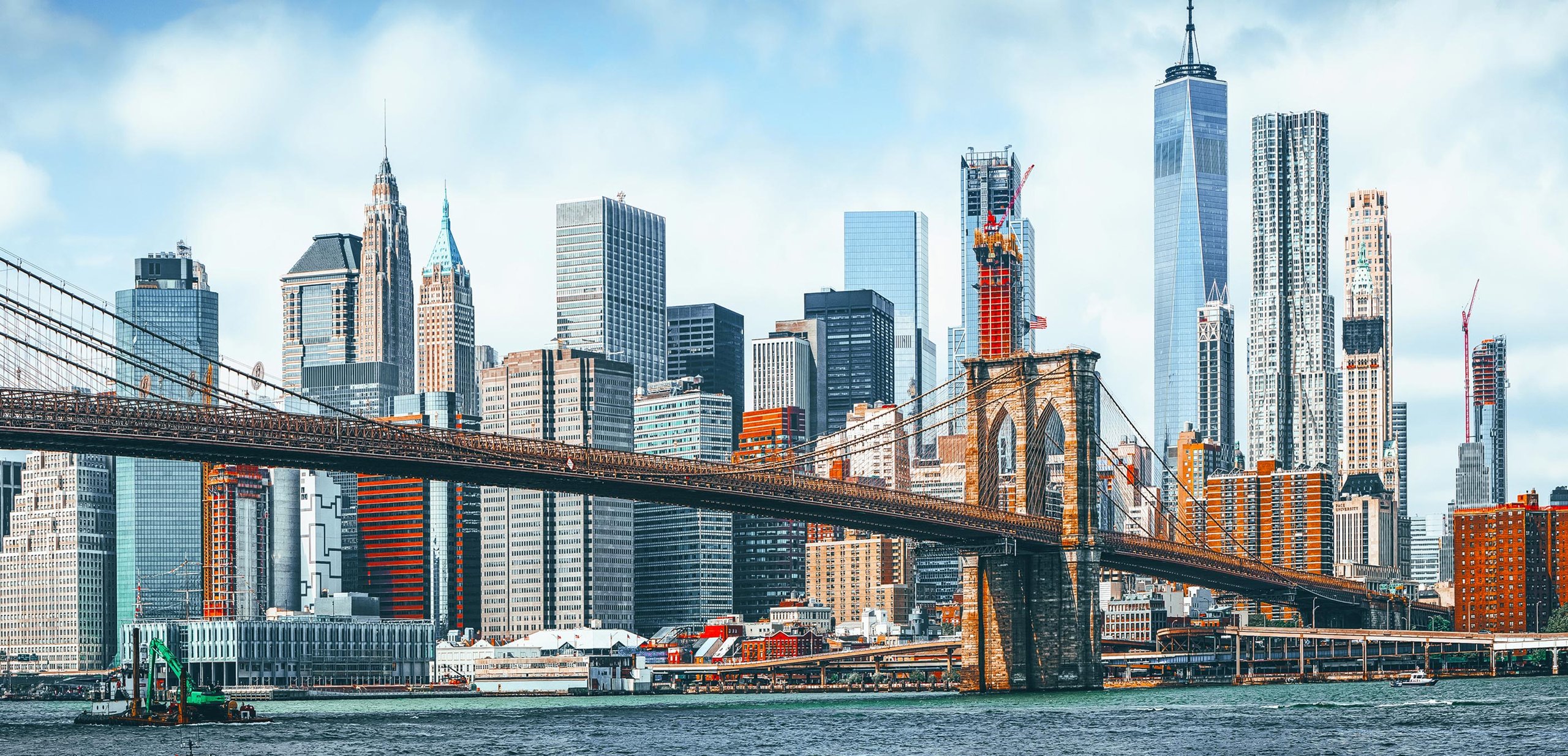
The Brooklyn Bridge (1883) in New York was one of the first suspension bridges to be constructed using steel cables. Four main cables support the roadway spanning more than 1.8 kilometers – each cable consisting of 5,282 steel wires.
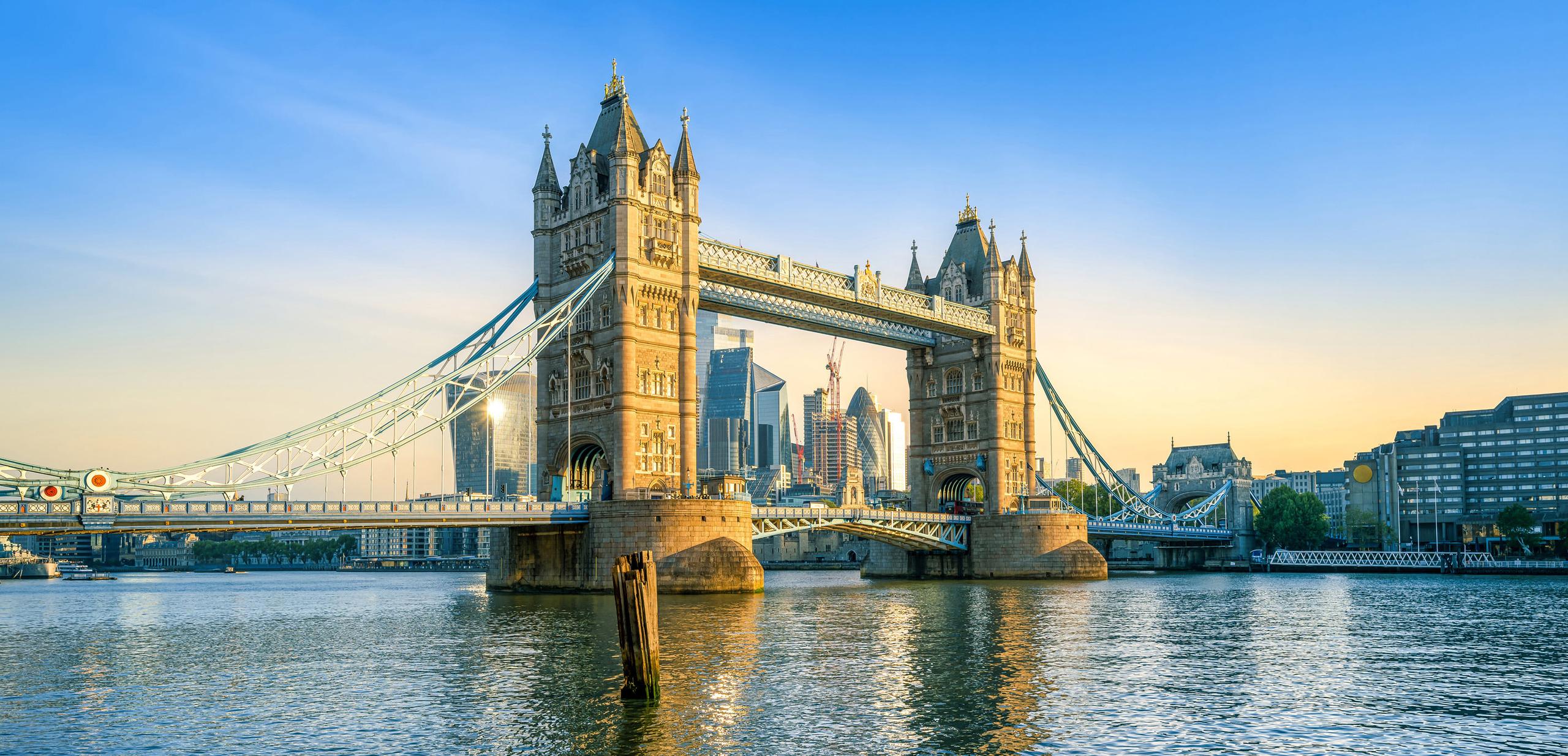
With its neo-Gothic limestone cladding, Tower Bridge (1894) in London looks older than it actually is. The 244-meter-long steel bascule bridge is raised around 800 times each year to allow shipping traffic to pass through.
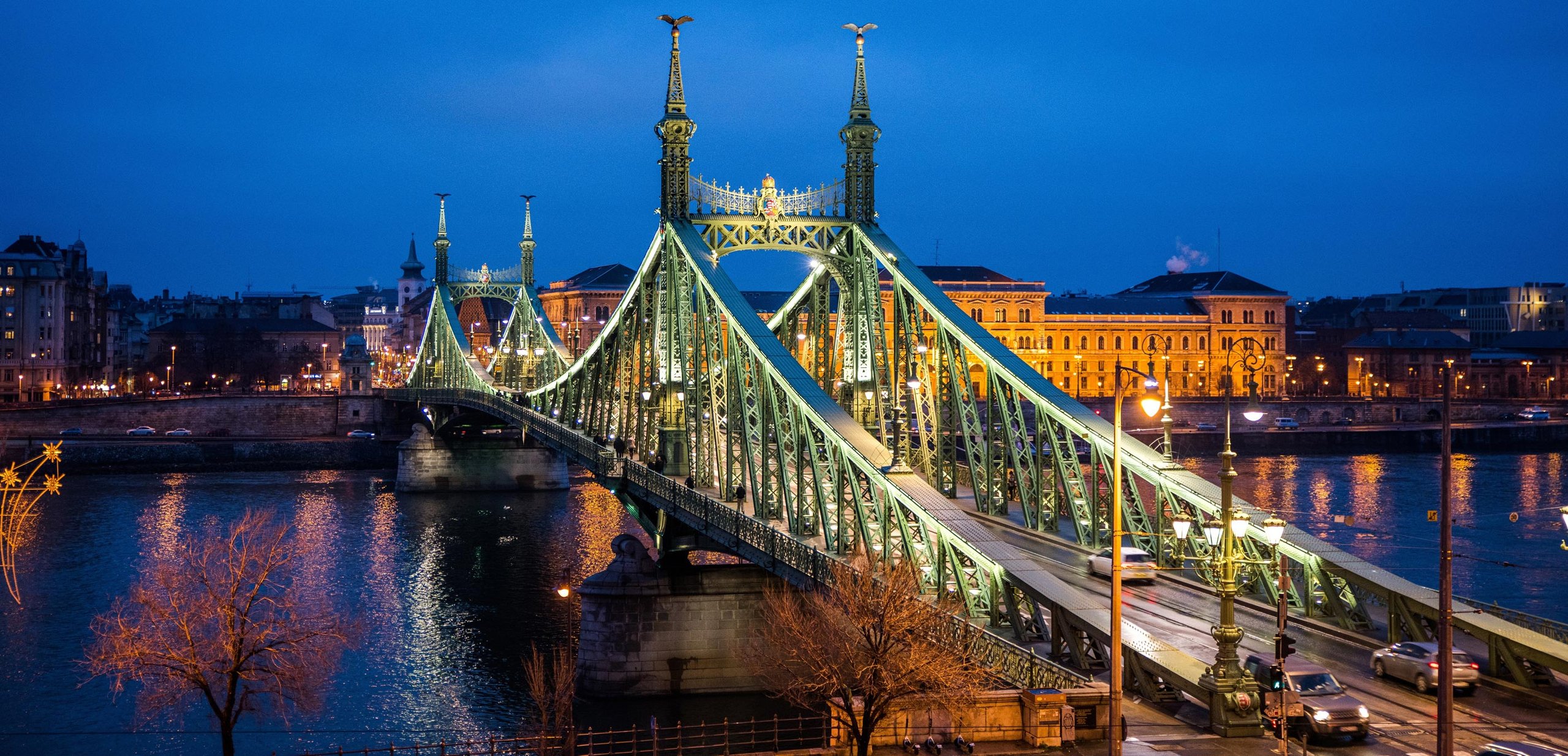
The Liberty Bridge (1896) in Budapest is 333 meters long and dates back to a time when decorative features were often applied to large steel structures: four birds can be seen perched on golden spheres on top of the portal towers.
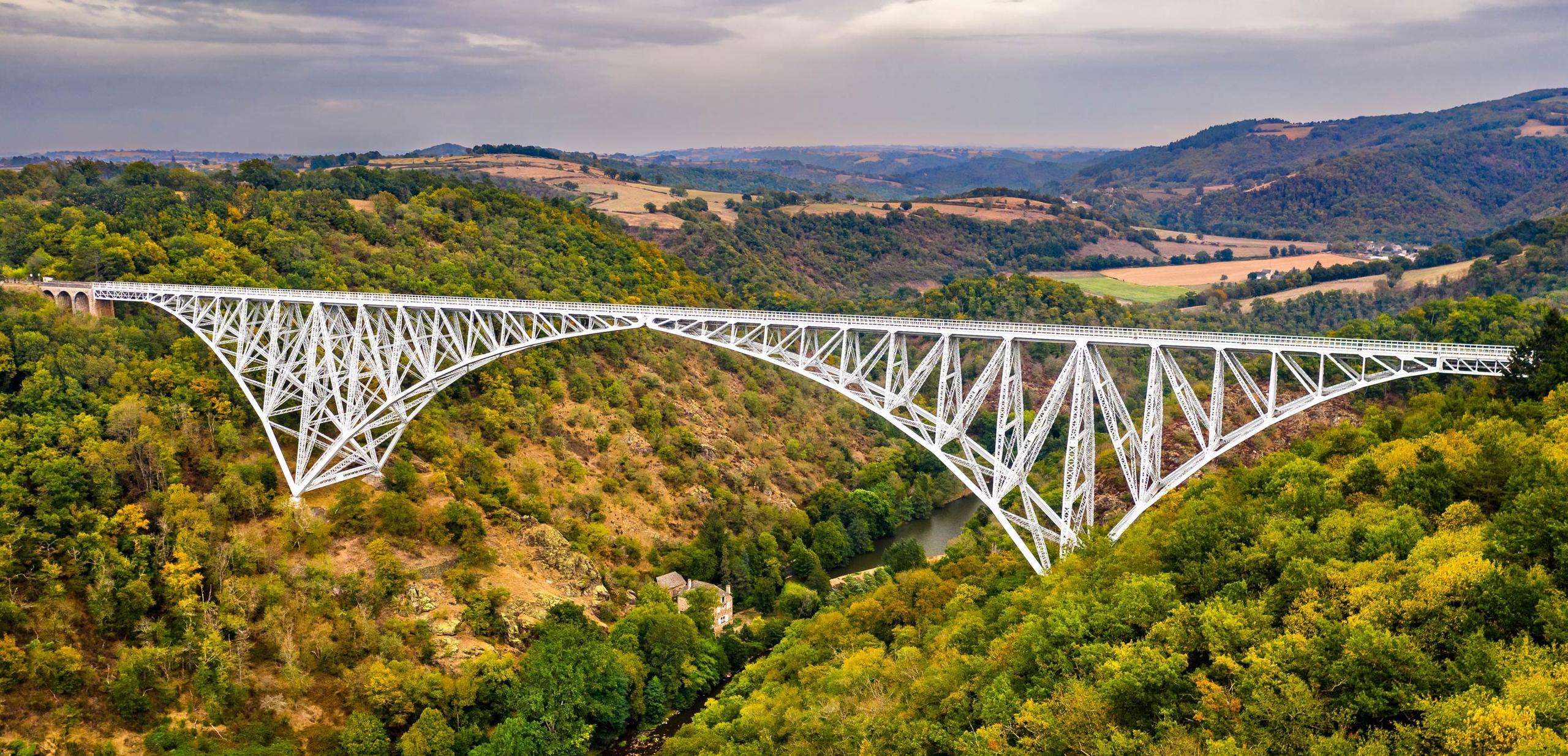
The Viaur Viaduct near Tanus (1902) forms part of a railway line in southern France. A model of the 460-meter-long riveted steel bridge was actually displayed at the Paris World's Fair in 1889, ahead of its completion.
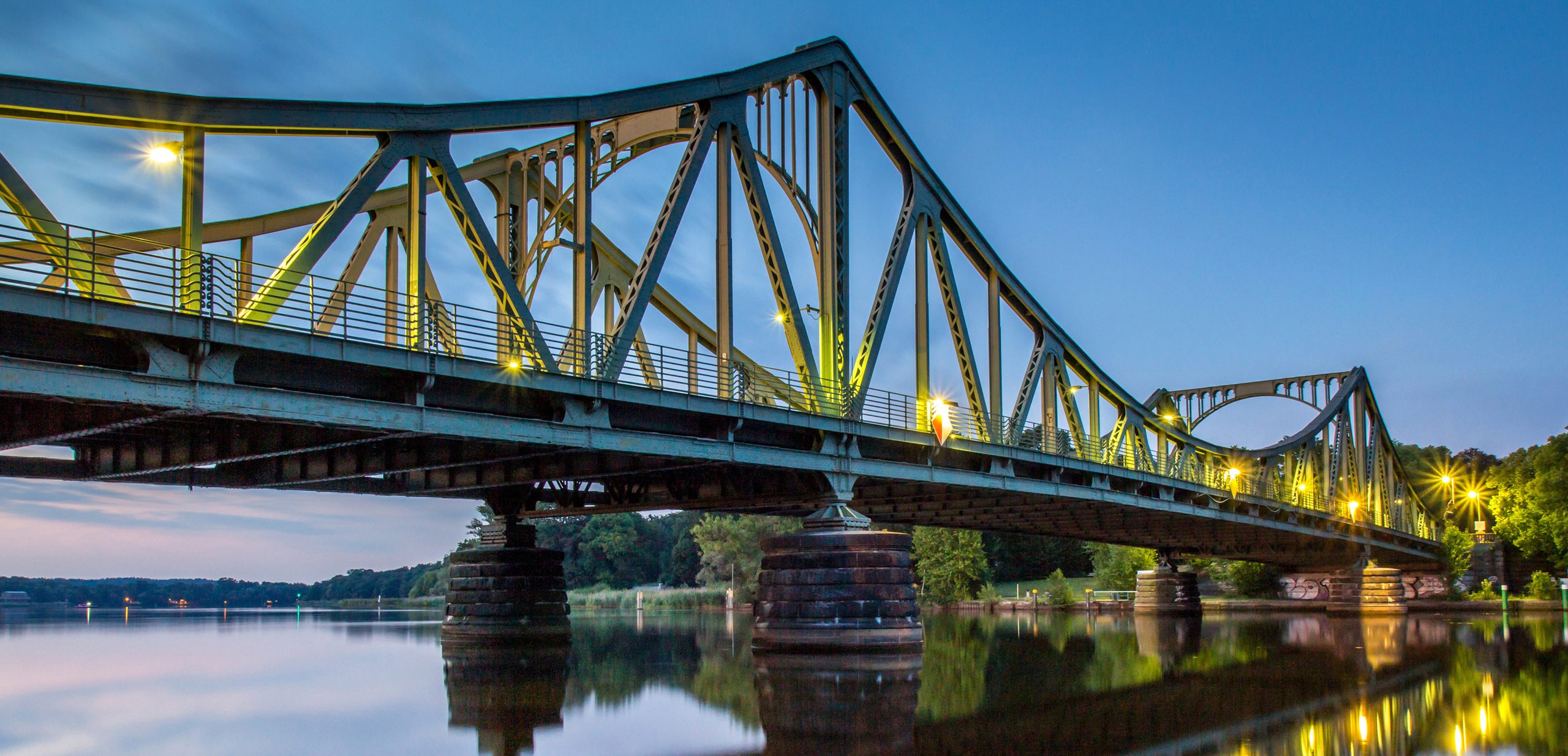
The Glienicke Bridge (1907) in Potsdam is a 128-meter-long steel truss structure. During the Cold War, it was used for the exchange of agents and prisoners between East and West.

The Golden Gate Bridge (1937) in San Francisco has been listed by the American Society of Civil Engineers as one of the Seven Wonders of the Modern World since 1995. The construction of the 2,737-meter-long suspension bridge marked the first time that construction workers were required to wear hard hats.
Discover similar posts
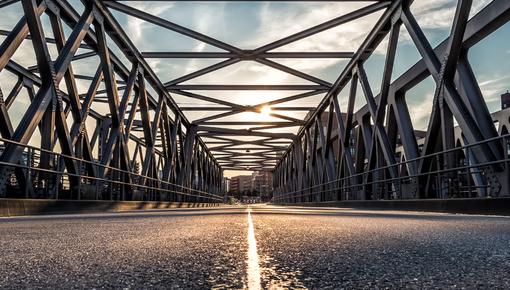
Steel bridges: faster construction, longer service life
Germany's bridges are dilapidated and run down, while renovation is stalling. But solutions are at hand: Find out how steel is combining speed with cost efficiency and stability in bridge construction.
Read post
Major renovations: Steel countering Germany's standstill
A total of 500 billion euros for a stable future: How we are leveraging the government special fund to upgrade our infrastructure and operate in a more climate-friendly way. And what role steel is playing in all this.
Read postThe address of this article has been copied to your clipboard.